
|
Import Assistance
There are three main phases in the Import process:-
International Trade is evidenced by numerous documents. They can be required both commercially and/or legally and in turn generate the title flow or change in ownership of the goods during transit.
THE PURCHASE ORDER – this is placed on the overseas seller covering quantity, quality, colour, type, model and any other specification required by the importer, including packaging.
THE COMMERCIAL INVOICE – At this time the shipment terms are decided between the parties, usually in accordance with the International Chamber of Commerce (ICC) Incoterms and the Commercial Invoice is raised by the exporter.
THE TRANSPORT DOCUMENT – This is evidence of shipment and can be arranged by either party dependent on the Incoterms chosen.
THE INSURANCE CERTIFICATE – Insuring your imported goods against the risks of loss or damage during transit is a wise commercial decision. Some shipment terms include insurance in the sellers price. Reference should be made to the Incoterms previously mentioned. L.C. Loynes & Associates are able to arrange transit insurance for you as required.
MISCELLANEOUS DOCUMENTS – All other documents are grouped under this general heading but this is not to take away their importance and includes such documents as:- This determines the physical flow of the goods and has various aspects to be considered.
MODE OF TRANSPORT – It must be decided whether your goods are to be imported by sea, air or parcel post. The costs can be substantially different and can be calculated by our Freight Forwarding Department dependant on the weight and/or volume of the packed goods. Just fill in the details on our Quote Page for a current rate.
THIRD PARTIES – Many parties will be involved in the transit of your goods and will be physically responsible for your goods at a particular time such as port/wharf stevedores and transport personnel who are important parts of the supply chain. It is vital that your goods are closely monitored through your shipping/forwarding agent.
THE CUSTOMS BROKER – Customs Brokers are professional business advisors in international trade and should be involved with your importation from the Purchase Order stage. They monitor, co-ordinate and interface with every other intermediary to ensure the importation process is a smooth one. There are rules, regulations and procedures set out in legislative statutes and administrative instruments regulating and ensuring the compliance of imports into Australia and some of these are very complex.
The Australian Customs Service (ACS) is the government body which administers these laws.
Some of the various laws determining revenue payments for imported goods or generally related to industry policy and community protection include:-
A thorough working knowledge is required in all of these aspects to ensure compliance with ACS administration of imports and our customs brokers are the ones to assist in such complexities.
|




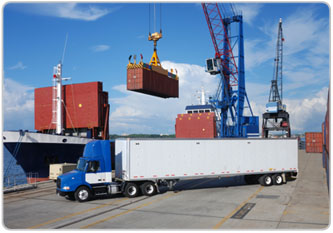 Once a prospective importer has sought out the goods required and chosen a reputable overseas supplier from which to purchase they are now in a position to negotiate regarding the international movement of the goods.
About Us | Services | Definitions | Import Assistance | Export Assistance © Copyright 2008. LC Loynes & Associates and it's licensors. All rights reserved. |
 |
 |
 |